All Referrals:
Phone : (03) 4313 2028
Fax : (03) 4343 1359
All Referrals:
Phone : (03) 4313 2028
Fax : (03) 4343 1359
Ballarat
707 Mair St
Ballarat VIC 3350
Werribee
240 Hoppers Lane
Werribee VIC 3030
Melton
190 Station Rd
Melton VIC 3337
Type to search pages, treatments, conditions, and doctors.
Neurostimulation is the use of electrical impulses to block or restore nervous system function and sensation. Neurostimulation treatment reduces nerve activity through the delivery of electrical stimulation to targeted sites of the body. The various form of neuromostimulation used for pain control include: Spinal cord stimulation therapy works by delivering a mild electrical impulse to the spinal cord to block pain signals from traveling up to the brain.
It is a treatment generally reserved for severe intractable neuropathic pain. The various forms of SCS include: Patients are considered for neurostimulation if they have moderate to high intensity persistent neuropathic pain and if more conservative strategies have been comprehensively applied and have failed. This is called refractory neuropathic pain.
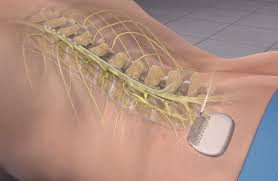
Specific indications for consideration for neurostimulation include: Following a successful trial period, small electrodes are placed near the spinal cord in the epidural space. The electrodes are connected to a small battery device that delivers low-level electrical impulses that interfere with the perception of pain as it travels up the spine or other targeted nerve.
Source page: https://vicpainmanagement.com.au/Treatments/spinal-cord/